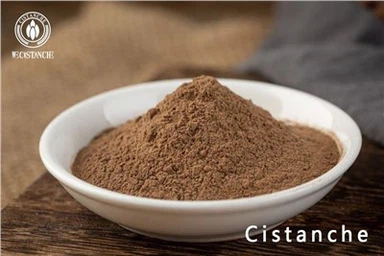
Reuse Cistanche Deserticola To Treat Gynecological Diseases in Women
Mar 29, 2023
Currently, cancer is one of the most common gynecological diseases affecting women worldwide. Various factors contribute to the formation of cervical cancer, such as human papillomavirus (HPV) infection, immune system dysfunction, genetic susceptibility, and environmental risk factors. The prevalence of HPV infection is considered to be the most important risk factor for the development of cervical cancer. Cervical cancer is the second most common malignant tumor among women malignant tumors in the world, second only to breast cancer. More than 200000 women die of cervical cancer every year in the world.

Effects Of Cistanche-Antitumor
Click here to view Cistanche products
【Ask for more】 Email: xue122522@foxmail.com / Whats App: 0086 18599088692 / Wechat: 18599088692
Human papillomavirus (HPV) is a sexually transmitted DNA virus that infects the epithelial cells of the skin and mucosa, leading to a range of diseases, including genital warts and cervical cancer. The virus enters the body through breaks in the skin or mucous membranes and can remain dormant for several years before causing symptoms. The HPV virus is categorized into high-risk and low-risk types according to its oncogenic potential. While low-risk HPV types can cause benign genital warts, high-risk HPV types, such as HPV-16 and HPV-18, are associated with the development of cervical cancer.
Immune system dysfunction is another factor contributing to the development of cervical cancer. Women who have a weak or compromised immune system, such as those with HIV/AIDS or who have undergone organ transplantation, are at a higher risk of developing cervical cancer. This is because the immune system plays a key role in detecting and eliminating abnormal or cancerous cells.

Superman herbs cistanche-Antitumor
Genetic susceptibility can also contribute to the development of cervical cancer. Studies have shown that women with a family history of cervical cancer have a higher risk of developing the disease themselves. Additionally, certain genetic variations in genes involved in DNA repair and cell-cycle regulation have been associated with cervical cancer risk.
Environmental risk factors, such as smoking, diet, and exposure to certain chemicals, may also increase the risk of cervical cancer. Smoking is a known risk factor for several types of cancer, including cervical cancer. Women who smoke are twice as likely to develop cervical cancer as those who do not smoke. Dietary factors, such as a low intake of fruits and vegetables, may also contribute to cervical cancer development. Exposure to chemicals, such as diethylstilbestrol (DES), a synthetic estrogen, has also been associated with an increased risk of cervical cancer.
To prevent and treat cervical cancer, various approaches are available, including vaccination, screening, and treatment. Vaccination against HPV is highly effective in preventing cervical cancer and is recommended for all girls and women between the ages of 9 to 26. Screening for cervical cancer, such as pap smears and HPV tests, can detect precancerous or cancerous cells early, enabling timely treatment. Treatment options for cervical cancer depend on the stage and extent of the disease, ranging from surgery and radiation therapy to chemotherapy.
In recent years, traditional Chinese medicine (TCM) has gained popularity as a complementary therapy for treating gynecological diseases, including cervical cancer. One commonly used TCM herb for treating gynecological disorders is Cistanche deserticola, also known as "desert ginseng" in Chinese or "Meerettichwurzel" in German. Studies have shown that Cistanche deserticola ma has anti-tumor effects and can inhibit the proliferation of cancer cells, including cervical cancer cells. Other TCM herbs, such as Ligustrum lucidum, Epimedium brevicornum, and Scutellaria barbata, have also been found to have anti-tumor effects and may be useful in the treatment of cervical cancer.

Desert living cistanche
Cistanche deserticola is a necessary medicine for the treatment of gynecological uterine fibroids. Cistanche deserticola is used to replenish the essence and blood. When the blood is abundant, it will go well, and when it goes well, it will eliminate symptoms and thinness. Cistanche deserticola enters the blood again, and its saltiness can soften and harden. Its nature is smooth and sharp, and it can eliminate symptoms and thinness. Cistanche deserticola is also good at warming and nourishing yang qi. When qi is strong, blood flows smoothly, and when qi and blood flow smoothly, it is blocked, causing symptoms of thinness to disappear. Prescription: 50 grams of cistanche, 15 grams of poria cocos, red peony, and astragalus, 12 grams of cinnamon twigs, peony bark, peach kernels, and three ridges, decocted in water twice a day.

Cistanche experience
Cistanche experience: Wang Moumou, female, 25 years old, married, first diagnosed on May 4th, 1998. Half a year ago, I found a lump in my left lower abdomen, which is not painful or distended, and there is no abnormality in my menstrual cycle. The menstrual volume is moderate, lasting for 4 days each time. Only the dark color of my meridians lumps, and my front waist is sore. Right accessory (1), left side touching cystic tissue about 8cm × 12cm × 10cm in size, no tenderness. B-ultrasound: Left ovarian cyst. The tongue is pale, the fur is white, and the pulse strings are numbered. A method of combining attack and reinforcement. Medicinal use: Angelica sinensis 10g, red peony 12g, cinnamon twig 10g, tuckahoe 10g, peach kernel 10g, peony bark 10g, astragalus membranaceus 25g, tonsils 10g, dried ginger 8g, decocted in water. After 20 days of continuous use, the accessory examination remained the same, with 50g of Cistanche deserticola added to the upper portion. After 20 days of medication, the palpable mass gradually decreased, and 60 doses of Cistanche deserticola were administered to the upper portion. Endoscopic examination showed that the uterine appendages were negative on both sides, and the left cystic tissue was not touched. B-ultrasound examination showed no abnormalities.

Benefits of cistanche tubulosa-Antitumor
In conclusion, cervical cancer is a prevalent gynecological disease caused by multiple factors, including HPV infection, immune system dysfunction, genetic susceptibility, and environmental risk factors. Enhancing awareness and prevention strategies, such as vaccination and screening, are crucial in reducing the burden of cervical cancer. Complementary therapy with traditional Chinese medicine herbs, such as Cistanche deserticola, may also have the potential for the treatment of cervical cancer.